


03 September 2026
Turkish Street Food: The Finest Local Flavors
Turkish Street Food: The Finest Local Flavors
Turkey, with its rich gastronomy and rooted culinary heritage, boasts one of the most distinctive cuisines in the world. The most vivid and heartfelt reflection of this culture is undoubtedly found in its street food. Across Anatolia, on the bustling avenues of metropolises and the narrow alleys of coastal towns, as well as the historic bazaars that echo with life, the aroma of delicacies bridges past and present, tradition and modernity. Street food in Turkey is not merely a way to eat; it is a living expression of the nation’s cultural identity.
The Culture of Street Food in Turkey
The culture of street food in Turkey has evolved over centuries. Since the Ottoman era, street vendors have been an inseparable part of urban life, serving as key figures in the daily rhythm of the people. Though modern times have transformed this tradition, its essence remains.
Today, the pastries, fish sandwiches, stuffed mussels, and simits (sesame bagels) sold from street stalls offer more than food. They carry memories, the flavors from people’s childhoods, and a shared cultural legacy. In gastronomic cities such as Istanbul, İzmir, Adana, and Gaziantep, street food has almost become a lifestyle itself.
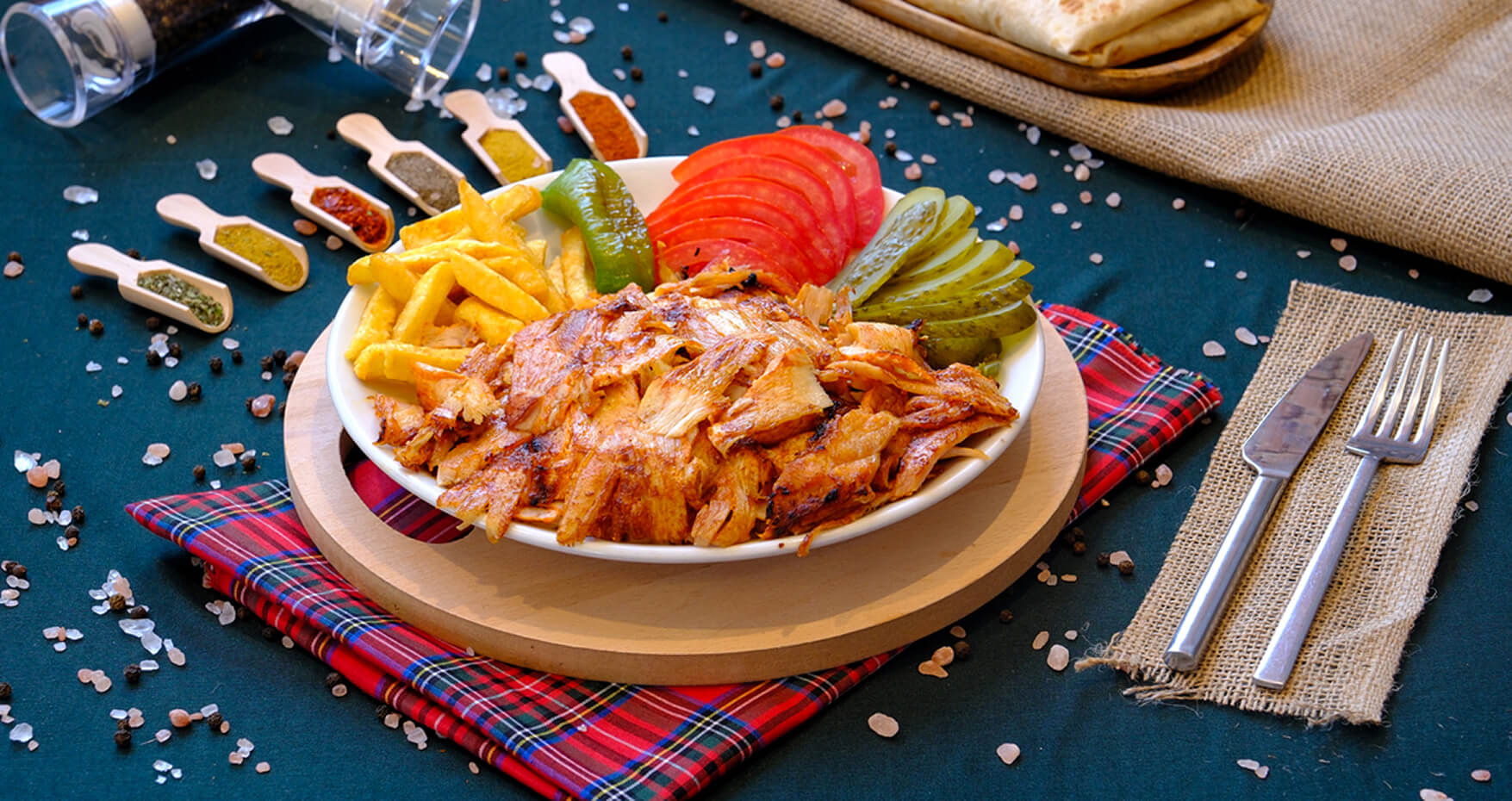
Döner Kebab
A true symbol of Turkish street cuisine, döner kebab is among the most iconic dishes inherited from the Ottoman era. Thin slices of meat, beef, chicken, or lamb, are stacked on a vertical spit and roasted slowly over wood fire. As the meat cooks, it caramelizes in its own fat; it has a crispy exterior and a tender, juicy interior.
In large cities, döner is typically served in flatbread or a soft roll, accompanied by pickles, tomatoes, grilled peppers, and a cold glass of ayran (a yogurt-based drink). It is both a hearty and practical meal enjoyed at any time of the day.
Midye Dolma (Stuffed Mussels) & Kokoreç
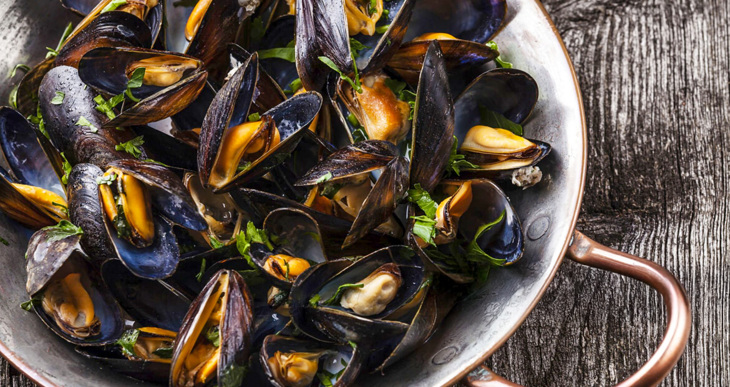
Stuffed mussels and kokoreç are inseparable elements of Turkey’s vibrant nightlife. Midye dolma, which is widely popular in the Aegean and Marmara coasts, consists of mussels stuffed with a fragrant mix of rice, onions, pine nuts, and currants, eaten with a squeeze of lemon. The fusion of the freshness from the sea and warm spices creates an unmistakable flavor.
Kokoreç, on the other hand, is made by wrapping seasoned lamb intestines around skewers and grilling them over charcoal. Finely chopped and mixed with oregano, cumin, and chili flakes, it is typically served within bread. It ranks among the most beloved late-night street foods across Turkey.
Istanbul’s Most Famous Street Delicacies
Istanbul is often regarded as the capital of street food. Every district has its signature flavors: balık ekmek (fish sandwich) in Eminönü, tahinli simit (bagel with tahini) in Karaköy, roasted chestnuts in Beyoğlu, steamed burgers in Beşiktaş, and stuffed mussel stands in Kadıköy, all of which form part of the culinary map of Istanbul. Much like the city itself, street cuisine in Istanbul is deeply multicultural.
Simit and Tea: The Irreplaceable Duo
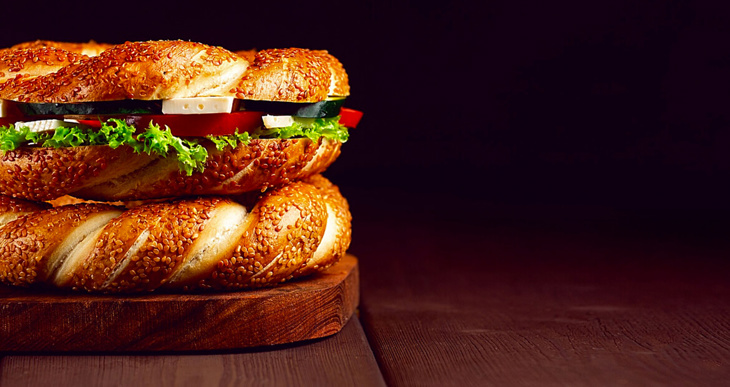
In the early mornings, ‘simit & tea’ as a duo is everywhere, at ferry docks, metro exits, and school gates. The sesame-crusted, golden-brown simit paired with a cup of black tea simply forms one of the most modest yet zestful breakfasts in Turkish culture. It is more than food; it is a time of connection with people with whom you share it.
Islak Hamburger (Steamed Burger)
The ıslak hamburger, or steamed burger, is a late-night symbol of the Taksim district in Istanbul. The buns, soaked in a rich garlic tomato sauce, are kept warm and tender in steam boxes. Combined with a juicy beef patty, the result is both aromatic and satisfying. Often enjoyed after a night out, it has become a modern take on the classic ‘midnight snack ’in Turkish cuisine.
Ortaköy Kumpir
One of Istanbul’s most beloved street foods, the preparation of Ortaköy kumpir (loaded baked potato) begins with baking a giant potato until it is soft, then mashing it with butter and cheese. It is generously topped with ingredients such as corn, olives, pickles, sausages, mushrooms, and Russian salad. It is both visually tempting and easily customizable.
Street Food in Antalya
Antalya is famous not only for its sea, sun, and scenery but also for its delicious street food. Dishes prepared with fresh Mediterranean vegetables, olive oil, and spices, the local cuisine is light yet flavorful. Antalya’s streets are alive with culinary charm starting from the very early morning with orange juice stands, continuing with lunchtime şiş köfte stalls to evening ice cream vendors and late-night kumpir sellers.
For those planning a gastronomic journey to enjoy Antalya’s street foods, accommodation plays a crucial role in completing the experience. Antalya offers an unforgettable experience not only with its coastal scenery but also with its rich culinary culture for gastronomy enthusiasts. Calista, as a 5-star all-inclusive hotels in Antalya, ensures a memorable stay combining luxury with authentic regional tastes.
Antalya Piyaz (Antalya Bean Salad)
Antalya piyazı is defined by its signature tahini-based dressing, distinct from the traditional bean salad. Boiled white beans are topped with a rich mixture of tahini, lemon juice, olive oil, and vinegar, then garnished with hard-boiled eggs and onions. It is most often served with köfte (meatballs).
Şiş Köfte
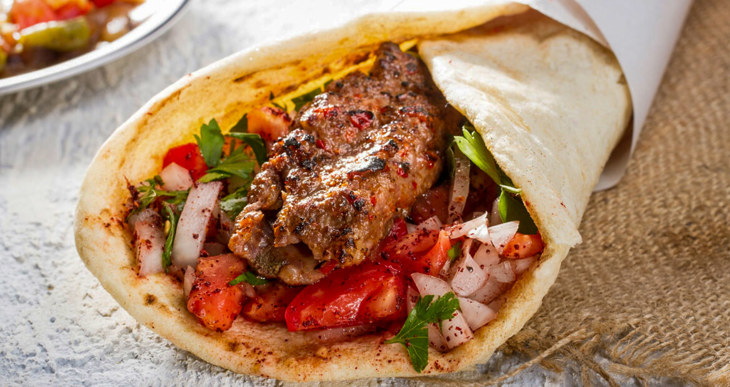
As one of the most popular street foods in Antalya, şiş köfte consists of small, marinated meat pieces grilled on skewers over charcoal. It is served with pita bread, tomato sauce, grilled peppers, and ayran. High-quality meat, precise cooking, and balanced seasoning showcase the flavor of the dish.
Street Food of Adana
Adana is one of the ‘true meat capitals’ of Turkey. The air is perpetually filled with the scent of barbecue. Dishes like Adana kebap, liver skewers (ciğer şiş), hummus, and fellah köfte (bulghur meatballs) exemplify this mastery. Sitting at a table of a street stall, savoring a freshly grilled kebab with a glass of şalgam (fermented turnip juice), is probably the most authentic way to experience the spirit of Adana.
Adana Kebab
Adana Kebab is made from minced lamb or beef blended with spices and hand-shaped onto long skewers. It is one of the most renowned dishes of Turkey. Its bold, spicy flavor and smoky aroma make it instantly recognizable. It is typically served with sumac onions, grilled peppers, flatbread, and ayran.
Liver Skewers
A beloved Adana specialty, ciğer şiş(grilled liver skewers) is even enjoyed for breakfast. Freshly chopped liver is grilled over open flames, served in flatbread, and topped with plenty of onions seasoned with sumac. Long queues often form at liver stalls from the early hours of the morning.
Hummus & Fellah Köfte
Adana’s southern cuisine, influenced by the Arabic culinary heritage of the region, also features hummus and Fellah Köfte. Hummus is a creamy blend of chickpeas, tahini, lemon, and olive oil, enjoyed when it is hot or as a cold appetizer. Fellah köfte consists of small bulgur balls served with garlicky tomato sauce, which can be prepared as a vegan-friendly alternative.
The Hidden Street Foods of Anatolia
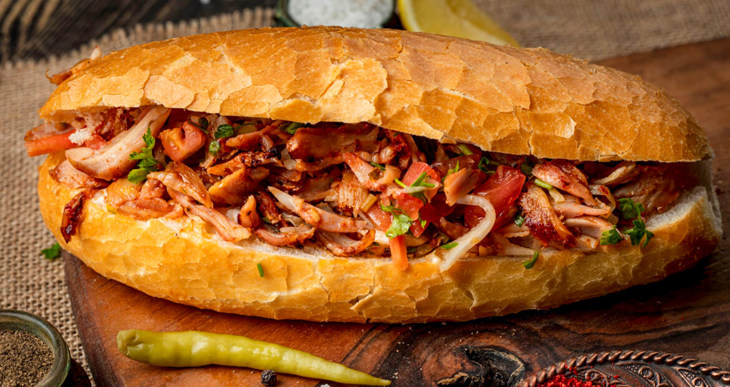
Every corner of Turkey, from east to west, from north to south, offers its own street delicacies. Tokat kebabı, Erzurum cağ kebabı, Gaziantep katmeri, Hatay künefe, and Trabzon hamsili ekmek are just a few examples of this extensive variety. Each city infuses its local productions and cultural heritage into its street cuisine, forming the foundation of Turkish street food’s global appeal.
Mersin Tantuni
Mersin tantuni is prepared by sautéing finely chopped beef or chicken on a hot griddle until tender. Then it is wrapped in lavash bread with parsley, tomatoes, and a squeeze of lemon. Light yet spicy, it symbolizes Mersin’s energetic coastal spirit. While tantuni shops can now be found across Turkey, the original taste still belongs to the streets of Mersin.
What Differentiates Turkish Street Food from the Rest of the World
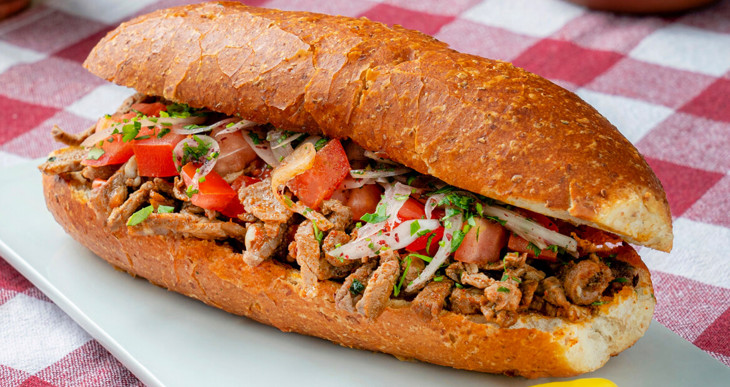
Turkish street food distinguishes itself with its freshness and authenticity. Unlike many Western street foods, which are generally prepared in advance or made from frozen ingredients, Turkish dishes are typically cooked on the spot.
Moreover, Turkish street food is rooted in the community. Eating on the street is not merely a necessity but a cultural experience; a moment of connection. People gather around the same stall, chat, and sometimes even treat one another. This warmth and sense of togetherness are what make Turkish street food truly one of a kind.
-
 Family Summer Holidays: Why Antalya Remains the Top Destination for Families
As summer draws near, planning the annual holiday becomes a top priority for families.
-
 Luxury Family Holidays: Redefining Multi-Generational Comfort
Modern holidays are no longer just about individual getaways; they are evolving into meaningful experiences centered on strengthening family bonds and spending quality time together.
-
 Fun Family Activities for Father’s Day
Father’s Day is one of the most meaningful opportunities to celebrate, honor, and create lasting memories with one of life’s most cherished figures.
-
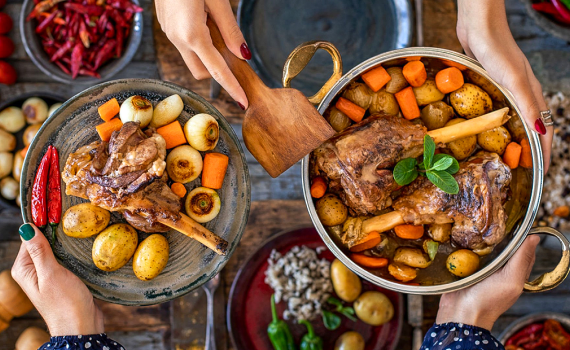 Top 5 Recipes to Brighten Up Your Eid al-Adha Table
Eid al-Adha is one of the most cherished times of the year, not only a celebration of unity, generosity, and togetherness, but also deeply rooted in family tradition.
-
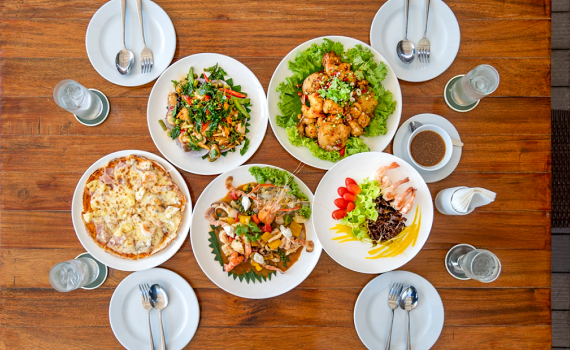 What is an A La Carte Restaurant?
A la carte restaurants are among the most popular concepts in the world of gastronomy, offering a high-quality, personalized dining experience.
-
 Historic Sites in Antalya to Visit with Your Family on May 19
As summer approaches, the May 19 holiday offers the perfect opportunity to plan a getaway where you can explore historic sites infused with the vibrant energy of spring.
-
 Meaningful and Unforgettable Gift Ideas for Mother’s Day
Mother’s Day is one of the most special occasions to show the most precious person in your life just how much you love her.
-
 Belek: An Alternative Paradise to the Greek Islands
 -
 Sustainable Travel: Eco-Friendly Hotels and Travel Destinations
The more traveling continues to grow, the more significant it becomes to protect nature and minimize environmental impact.
-
 Fun Activities to Enjoy with Children on April 23rd
April 23rd, National Sovereignty and Children’s Day, is one of those rare occasions when families can come together to create meaningful memories.