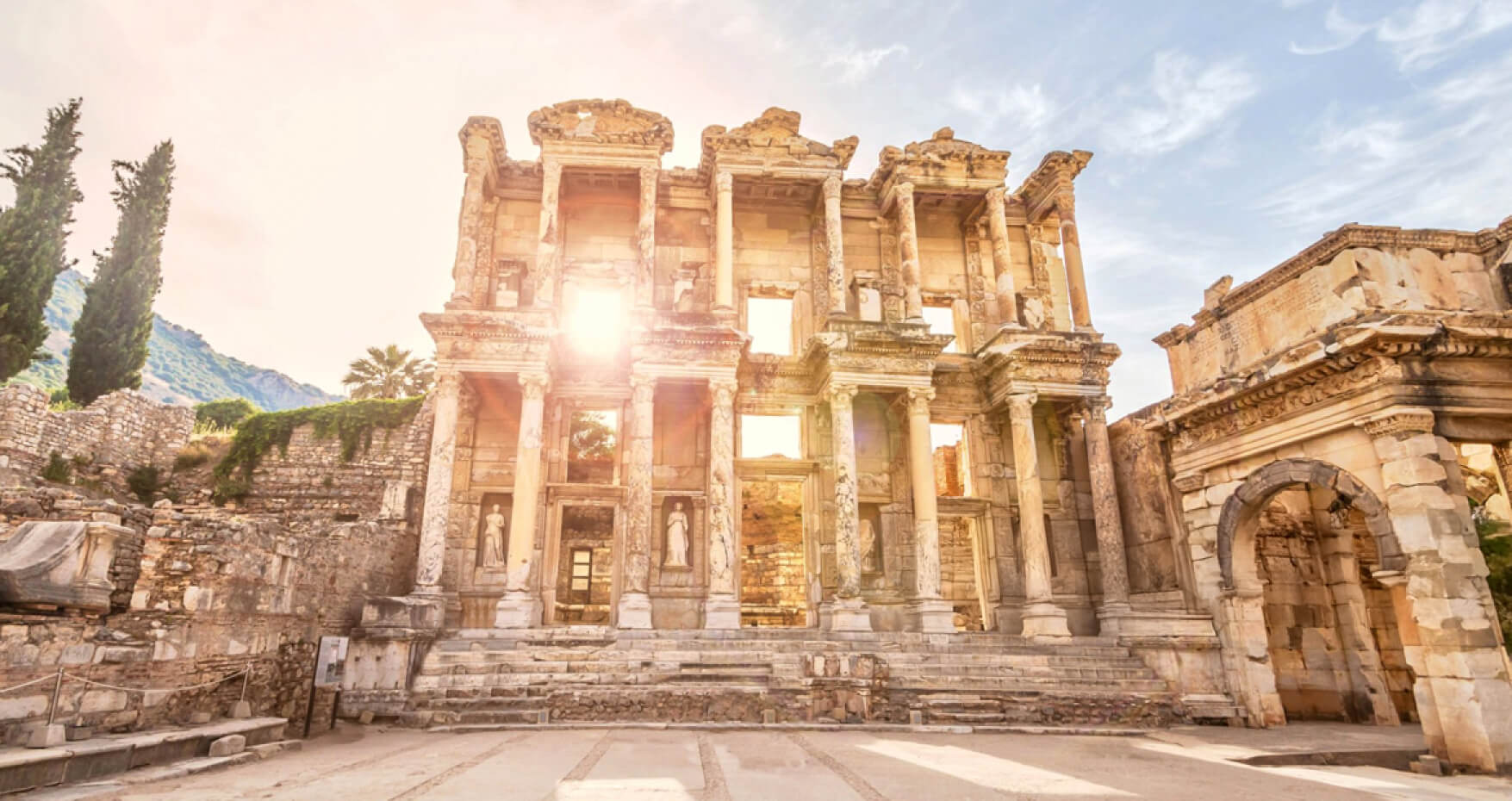
Türkiye stands as one of the world’s richest repositories of heritage with its millennia old history, distinctive geography, and cultural diversity. This remarkable wealth is embodied in 72 World Heritage Sites that are recognized by UNESCO. Spread across the country, the UNESCO World Heritage Sites in Antalya in particular are not only historical gems but also living embodiments of cultural identity and universal values.
UNESCO World Heritage List of Türkiye
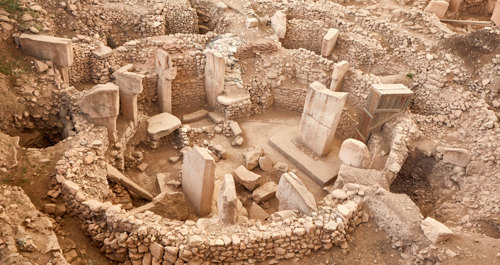
Türkiye preserves the traces of its past through the sites inscribed on the UNESCO World Heritage List. These historical, cultural, and natural riches sites within the list are preserved by the country.
- In 1994, Karain Cave in Antalya was added to the list.
- In 2000, the Ahlat Tombstones in Bitlis were inscribed for reflecting the heritage of the Urartian and Ottoman eras.
- The Alahan Monastery in Mersin was recognized in 2000 for its cultural value.
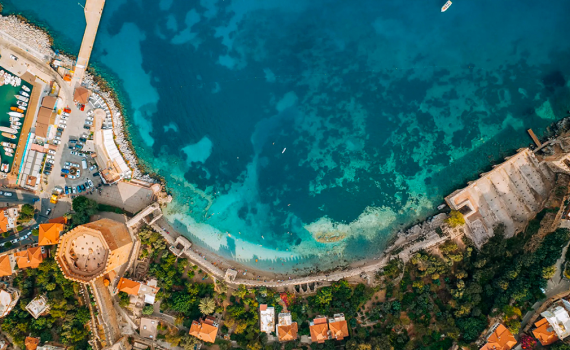
- The historic center of Alanya in Antalya was added in 2000.
- Şanlıurfa and Harran were inscribed in 2000.
- The İshak Pasha Palace in Ağrı was listed in 2000.
- The Seljuk Capital in Konya gained cultural heritage status in 2000.
- The cultural landscape of Mardin has been on the list since 2000.
- In 2000, the Seljuk caravanserais along the Denizli,Doğubayazıt route were included.
- The St. Nicholas Church in Antalya was added in 2000.
- The St. Paul Church and St. Paul Well, along with their surroundings in Mersin, were inscribed in 2000.
- The Sumela Monastery in Trabzon joined the list in 2000.
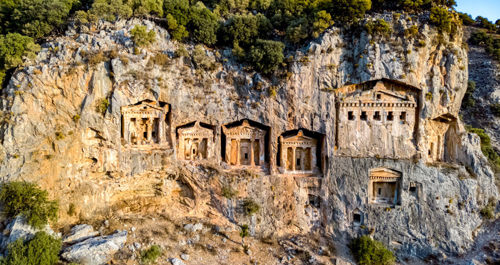
- In 2009, the ancient cities of the Lycian Civilization in Antalya and Muğla were recognized.
- The Perge Archaeological Site was listed in 2009.
- The Sagalassos Archaeological Site in Burdur was inscribed in 2009.
- The St. Pierre Church in Hatay was added in 2011.
- The Aizanoi Ancient City in Kütahya was inscribed in 2012.
- The Beçin Medieval City in Muğla has been on the list since 2012.
- The historic town of Birgi in İzmir was recognized in 2012.
- The Hacı Bektaş Veli Complex in Nevşehir was added in 2012.
- The Hekatomnos Mausoleum and Sacred Area in Muğla were inscribed in 2012.
- The historical monuments of Niğde were listed in 2012.
- The Mamure Castle in Mersin was added in 2012.
- The Odunpazarı Historic Urban Center in Eskişehir was inscribed in 2012.
- The Yesemek Quarry and Sculpture Workshop in Gaziantep joined the list in 2012.
- The Zeugma Archaeological Site (Gaziantep) has been listed since 2012.
- The Laodikeia Archaeological Site in Denizli was added in 2013.
- The Genoese trading route fortifications from the Mediterranean to the Black Sea were recognized in 2013.
- The Anatolian Seljuk Madrasahs in Konya, Kayseri, Sivas, Erzurum, and Kırşehir were inscribed in 2014.
- The Anavarza Ancient City in Adana was recognized in 2014.
- The Kaunos Ancient City in Muğla was added in 2014.
- The Korykos Ancient City in Mersin was listed in 2014.
- The Kültepe–Kanesh Archaeological Site in Kayseri has been on the list since 2014.
- The World War I battlefields of Çanakkale and Gallipoli were recognized in 2014.
- The Eflatun Pınar Hittite Rock Monument in Konya was added in 2014.
- The ancient city of İznik in Bursa was listed in 2014.
- The Ahi Evran Tomb in Kırşehir was inscribed in 2014.
- The Vespasianus–Titus Tunnel in Hatay was added in 2014.
- The Zeynel Abidin Mosque and Mor Yakup Church in Mardin were recognized in 2014.
- The Akdamar Church in Van joined the list in 2015.
- The Aspendos Theatre and Aqueducts in Antalya were inscribed in 2015.
- The Eshab-ı Kehf Complex in Kahramanmaraş was listed in 2015.
- The historic Ahi town of Mudurnu was recognized in 2015.
- The Phrygian Highlands (Eskişehir, Kütahya, Afyon) joined the list in 2015.
- The Stratonikeia Ancient City in Muğla was added in 2015.
- The Uzunköprü Bridge in Edirne was recognized as cultural heritage in 2015.
- The İsmail Fakirullah Tomb and light reflection mechanism in Siirt were listed in 2015.
- The Yıldız Palace Complex in İstanbul has been on the list since 2015.
- The Bodrum Castle in Muğla was inscribed in 2016.
- The Hacı Bayram Mosque and its surroundings in Ankara joined in 2016.
- The Sultan Bayezid II Complex in Edirne was listed in 2016.
- The Nuruosmaniye Complex in İstanbul has been recognized since 2016.
- The Malabadi Bridge in Diyarbakır was inscribed in 2016.
- The Van Fortress and ancient mound of Tuşpa were added in 2016.
- The Kibyra Ancient City in Burdur has been listed since 2016.
- The Yivli Minare Mosque in Antalya was recognized in 2016.
- The Assos Archaeological Site in Çanakkale joined in 2017.
- The Ayvalık Industrial Landscape in Balıkesir was inscribed in 2017.
- The İvriz Cultural Landscape in Konya was added in 2017.
- The Priene Archaeological Site in Aydın was listed in 2018.
- The Livas and Kastel underground water systems in Gaziantep joined in 2018.
- The capital of the Danishmendids, Niksar, in Tokat was recognized in 2018.
- The Justinian Bridge in Sakarya was added in 2018.
- The Sarıkaya Roman Bath in Yozgat has been on the list since 2018.
- The Harput Historic City in Elazığ was inscribed in 2018.
- The historic port city of İzmir was listed in 2020.
- The Koramaz Valley in Kayseri was inscribed in 2020.
- The Zerzevan Castle and Mithraeum in Diyarbakır were added in 2020.
- The Karatepe-Aslantaş Archaeological Site in Osmaniye was recognized in 2020.
- The historic town of Beypazarı in Ankara joined in 2020.
- The churches and monasteries of Tur Abdin in Mardin’s Midyat region were listed in 2021.
- The Planning and Construction of the Modern Republic Capital, Ankara, was inscribed in 2025.
What is UNESCO and What Is Its Mission?

UNESCO — the United Nations Educational, Scientific and Cultural Organization — was founded in 1945 to promote world peace, sustainable development, and cultural cooperation. Its primary mission is to protect cultural and natural sites considered the common heritage of humanity and to ensure their transmission to future generations.
UNESCO Natural Heritage in Türkiye
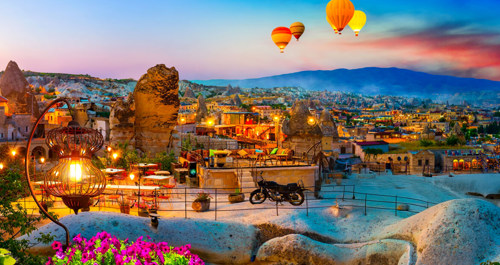
Türkiye is recognized by UNESCO not only for its cultural wealth but also for its natural beauty. Sites such as Göreme National Park and Cappadocia and Pamukkale–Hierapolis showcase a harmonious blend of nature and history.
Türkiye’s Mixed UNESCO Heritage Sites
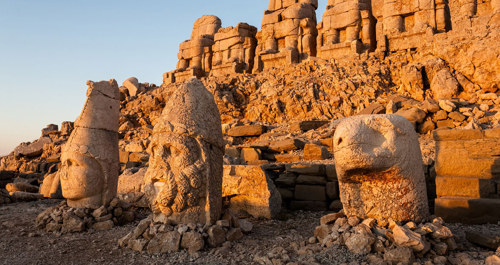
Mixed heritage sites are those that embody both cultural and natural values. In Türkiye, Mount Nemrut stands out in this category. The colossal statues atop the mountain represent the cultural magnificence of the ancient Kingdom of Commagene, while the surrounding mountain range reflects the awe-inspiring power of nature.