


09 November 2026
What Is Early-Harvest Olive Oil? A Guide to Autumn Olive Harvesting and Tasting in Antalya
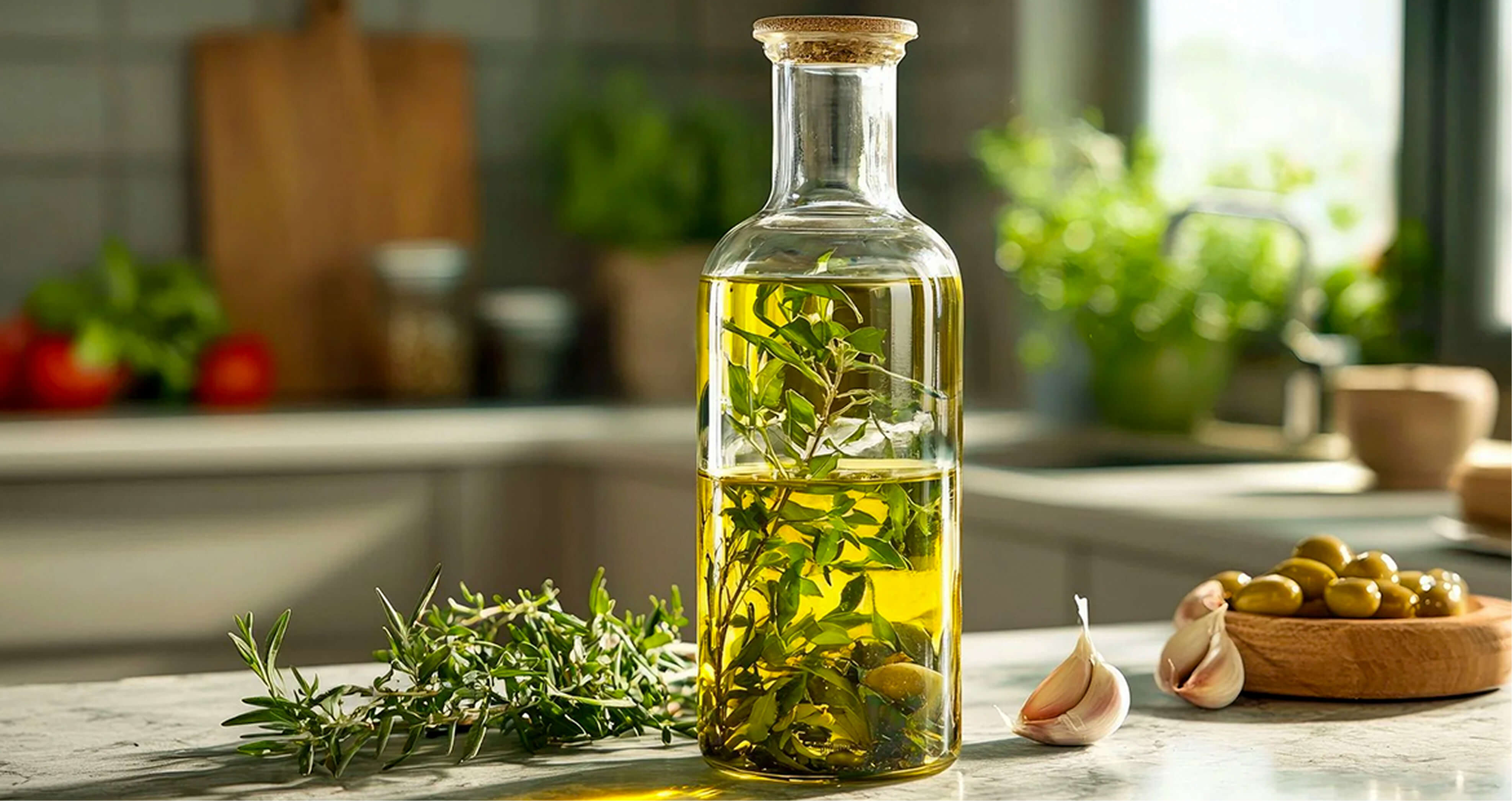
When autumn arrives, one of the most exciting times of the year begins in the olive groves of the Mediterranean: the olive harvest. Olives that have not yet lost their green colour are picked and ideally pressed on the same day, producing an oil with a vibrant green hue and a distinctive, intense aroma. This is known as early-harvest olive oil. In this guide, we explore what early harvesting means, why it takes place in Antalya during autumn, how to taste olive oil, and how to choose and store a high-quality product.
When Is the Olive Harvest, and Why Does It Take Place in Autumn?
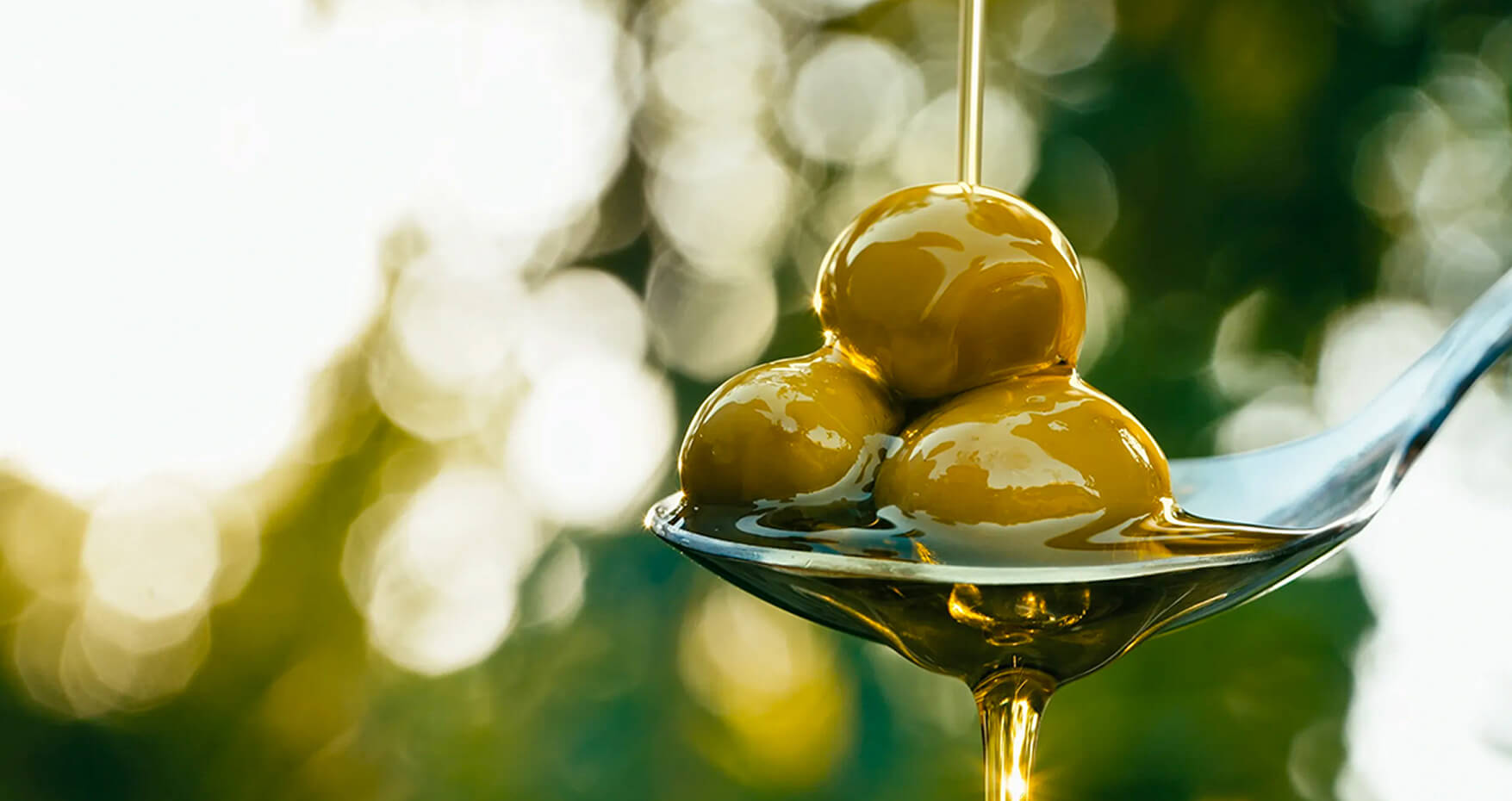
The timing of the olive harvest varies depending on the region, olive variety, and climatic conditions. In Mediterranean coastal areas such as Antalya, the harvesting season generally begins in autumn, particularly in October and November. At this stage, the olives have not yet fully ripened, and their skins are beginning to change from green to purple.
The reason for harvesting in autumn comes down to timing. As olives ripen, their oil content increases, while their aromatic intensity and certain antioxidant compounds generally decrease. Producers must therefore strike a balance between obtaining a smaller quantity of oil with a more intense character and producing a larger quantity with a milder flavour. Early harvesting represents the first approach.
Antalya's mild climate, long hours of sunshine, and olive groves stretching from the coastline to the foothills create favourable conditions for olive cultivation. During the harvesting weeks, families and producers gather in the groves to celebrate a season that rewards an entire year's hard work.
The harvesting method also directly influences the final product. Picking olives quickly, cleanly, and without bruising them, followed by prompt processing at low temperatures, plays a crucial role in preserving their freshness and aromatic qualities.
What Makes Early-Harvest Olive Oil Different?
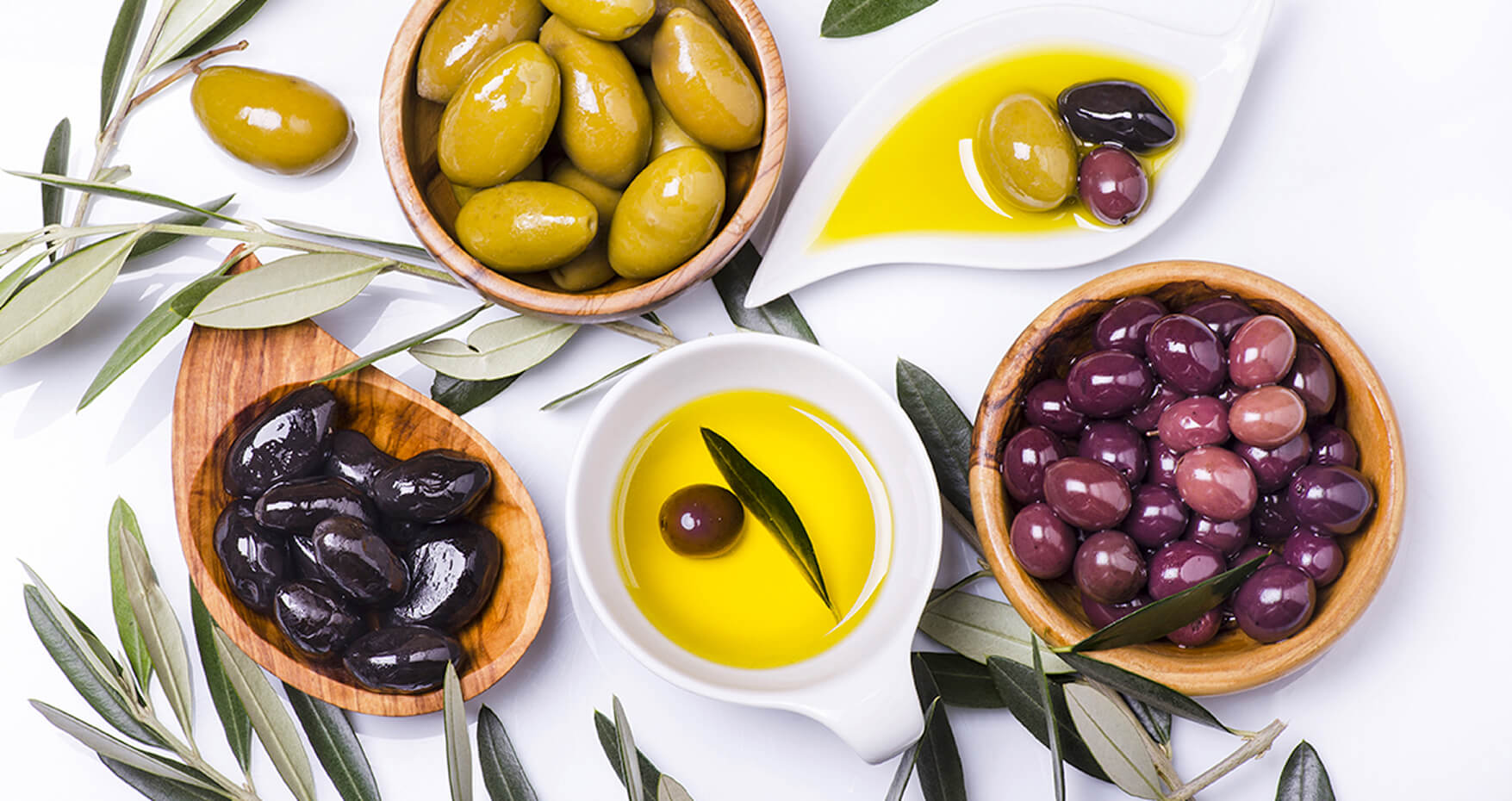
Early-harvest olive oil is produced from olives picked before reaching full maturity, usually while they are still green or just beginning to change colour. Its main characteristics can be summarised as follows:
- Colour: Vibrant green, sometimes with subtle golden reflections.
- Aroma and fragrance: Notes of freshly cut grass, green almonds, tomato stems, and green apples.
- Yield: Unripe olives produce less oil, resulting in more limited production.
- Character: Distinctive bitterness and a peppery sensation, which can be signs of a fresh oil rich in natural phenolic compounds.
Early-harvest olive oils generally contain higher levels of phenolic compounds, the natural antioxidants that contribute to the oil's distinctive character, compared with oils produced from later harvests. This is why olive oil enthusiasts appreciate early-harvest varieties for both their flavour and their intense sensory profile. Due to their limited production, these oils are often regarded as speciality products rather than everyday staples.
Their culinary uses reflect this distinctive character. Intensely aromatic early-harvest olive oil is best enjoyed uncooked, drizzled over salads, olive oil-based vegetable dishes, and roasted vegetables, served with fresh bread, or added as a finishing touch just before serving.
How to Taste Olive Oil
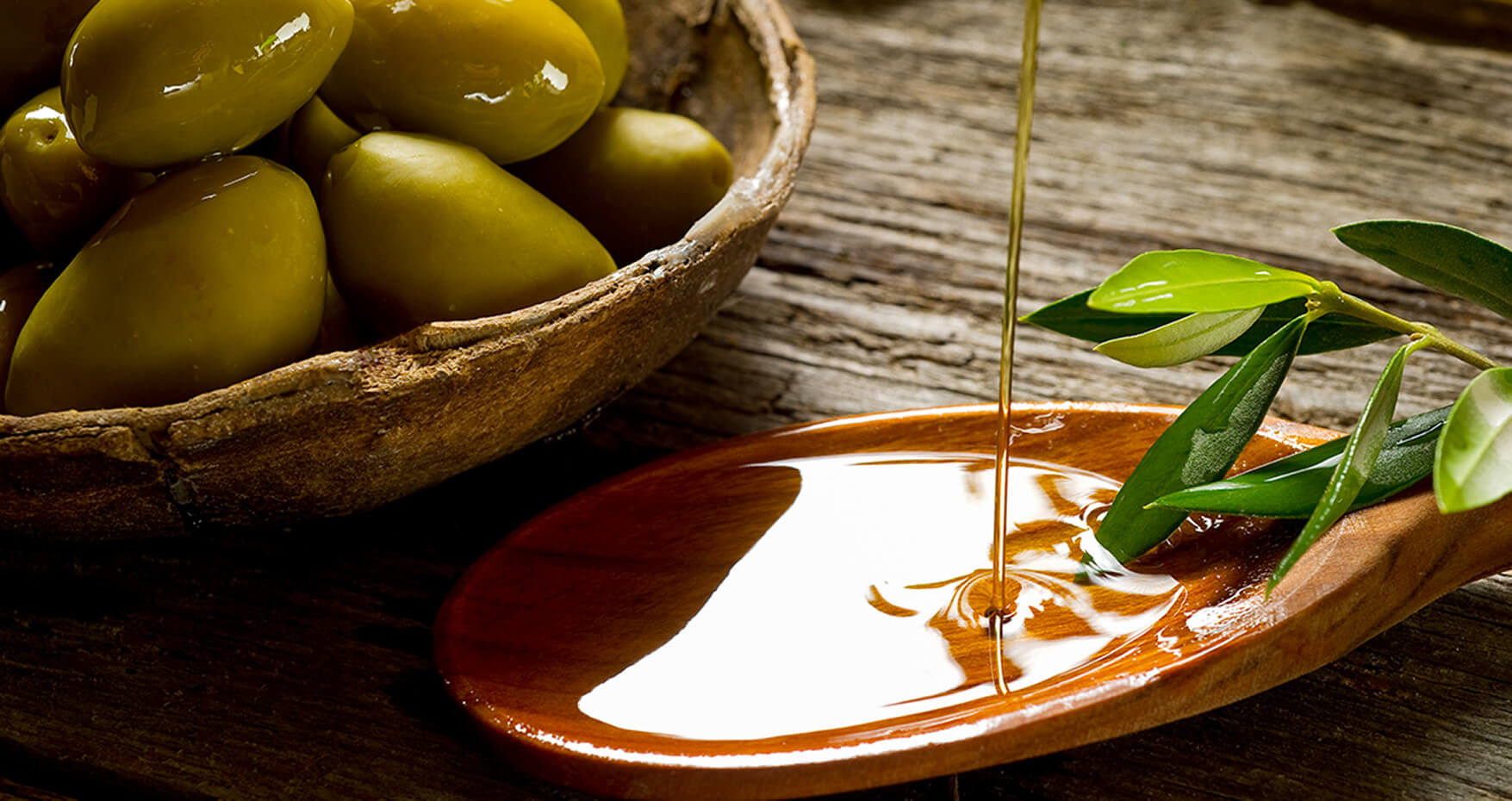
Olive oil tasting follows a method similar to wine tasting and can easily be practised at home:
- Warm and smell: Pour a small amount of olive oil into a small, dark-coloured glass. Gently warm the glass in your palm, then bring it close to your nose to appreciate its aromas.
- Sip and savour: Take a small sip and let the oil spread across your mouth, paying attention to its texture and flavours.
- Draw in air: Part your lips slightly and gently draw in some air to help release the oil's aromas across your palate.
What Do Bitterness and a Peppery Sensation Indicate in Olive Oil?
A slight peppery sensation in the throat and bitterness on the palate are not necessarily flaws; they are often desirable characteristics of high-quality olive oil. These sensations are associated with phenolic compounds and are particularly common in fresh, early-harvest oils.
When bitterness and pungency are well balanced, they contribute to a deeper, more persistent flavour profile. During tasting, the aim is to find harmony between bitterness, peppery intensity, and fruity notes. If one characteristic overwhelms the others, the oil may be considered less balanced.
How to Choose and Store High-Quality Olive Oil
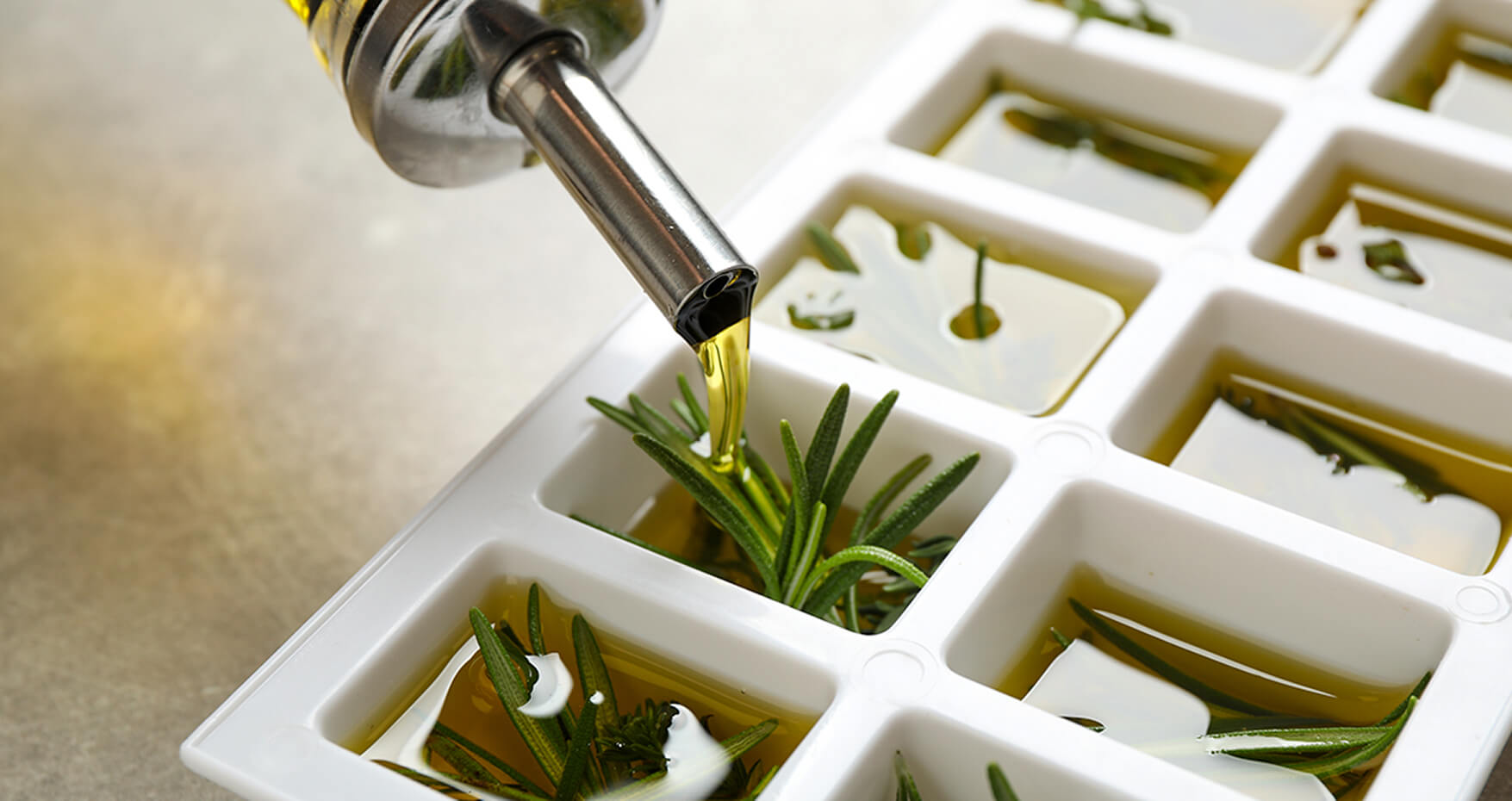
Reading the label is the first step when selecting a high-quality olive oil. Look for the following:
- The label should clearly state "Extra Virgin Olive Oil."
- The harvest year, place of production, and producer information should be clearly indicated.
- Dark glass bottles or other light-resistant packaging are preferable.
- The aroma should be fresh, clean, and fruity, without unpleasant sour, musty, or stale odours.
Proper storage is just as important as choosing the right oil. Olive oil is sensitive to light, heat, and exposure to air. Store the bottle tightly sealed in a cool, dark cupboard, away from the stove and oven. Consuming the oil within a reasonable period after opening is one of the best ways to preserve its aroma. Transferring oil from large containers into smaller bottles can also help maintain freshness by reducing its exposure to air.
Price can also provide a clue. Early harvesting and processing at low temperatures require considerable care and can involve higher production costs. If you come across an unusually inexpensive oil labelled "extra virgin," be sure to check its producer and origin.
If you are curious about how to use olive oil in your cooking, explore our article, Flavours of Olive Oil: Mediterranean Cuisine and Dishes.
-
 Is an All-Inclusive Holiday Still the First Choice?
Holiday habits change a little more each year. Short getaways, boutique experiences and personalised itineraries are increasingly in the spotlight.
-
 What Makes a Hotel Truly Luxurious?
The word luxury now appears in the promotional material of almost every hotel. Marble lobbies, expansive pools and impressive views create a strong first impression; yet what makes a holiday truly luxurious often goes beyond what meets the eye.
-
 Where to Go During the November School Break in 2026: A Guide to Making the Most of Nine Days as a Family
The first few weeks after schools reopen are a time of adjusting to a new routine for both children and parents.
-
 Why Is Antalya an Ideal Summer Destination for Couples?
A holiday together is more than just an opportunity for couples to relax. It is also a chance to make time again for conversations postponed amid the rush of everyday life, shared discoveries, and moments that belong only to the two of them.
-
 How Are Summer Evenings Spent in Antalya?
The hours when the sun slowly descends over the Mediterranean are perhaps some of the most cherished moments of summer days.
-
 What Are the Most Enjoyable Ways to Stay Cool in Summer?
Summer in Antalya offers an ideal holiday atmosphere with its long sunny days, warm sea and wonderful opportunities to enjoy the outdoors.
-
 COP31 Antalya Accommodation Guide: A Sustainable Luxury Experience with Calista
Antalya will host COP31 between 9–20 November 2026.
-
 What Are Families and Couples Choosing for Their 2026 Summer Holiday?
The holiday trends observed in recent years show that guests are no longer travelling simply to relax, but increasingly to enjoy genuine and memorable experiences.
-
 What Should First-Time Visitors to Antalya Know?
Antalya is not just a destination of sea and sunshine; with its historic character, natural beauty and well-developed tourism infrastructure, it appeals to every type of holidaymaker with different expectations.
-
 Turkish Street Food: The Finest Local Flavors
Turkey, with its rich gastronomy and rooted culinary heritage, boasts one of the most distinctive cuisines in the world.
-
 Why Is Belek a Top Choice for Summer Holidays?
Nestled along Turkey’s southern Mediterranean coast, Belek stands as one of the region’s most vibrant and sought-after resort destinations, welcoming thousands of travelers each year.